ASK OUR EXPERT

+255 758 319 056

ASK OUR EXPERT

+255 758 319 056

DESTINATIONS

NORTHERN CIRCUIT

Overview

Northern Tanzania is home to some of Africa’s most iconic safari destinations, offering unmatched wildlife diversity and breathtaking landscapes. The Serengeti’s endless plains host the legendary Great Wildebeest Migration, while the Ngorongoro Crater—often called the “Eighth Wonder of the World”—shelters an extraordinary density of animals within its volcanic walls. Complementing these are Lake Manyara, known for tree-climbing lions and flamingo-covered shores, Tarangire with its vast elephant herds and ancient baobabs, and Arusha National Park, a scenic gem beneath Mount Meru.

Together, these destinations form Tanzania’s celebrated northern circuit, where every park adds a unique dimension to the safari experience. From dramatic predator hunts on the Serengeti to peaceful walking safaris in Arusha, and from the birding paradise of Manyara to the dry-season spectacles of Tarangire, this region offers year-round adventure. For first-time visitors or seasoned travelers, Northern Tanzania is the ultimate safari gateway, delivering Africa at its wildest and most unforgettable.

Northern Tanzania

5 Amazing Destination

Picture of Any Question?
Any Question?

Chat with Our Expert

SERENGETI NATIONAL PARK

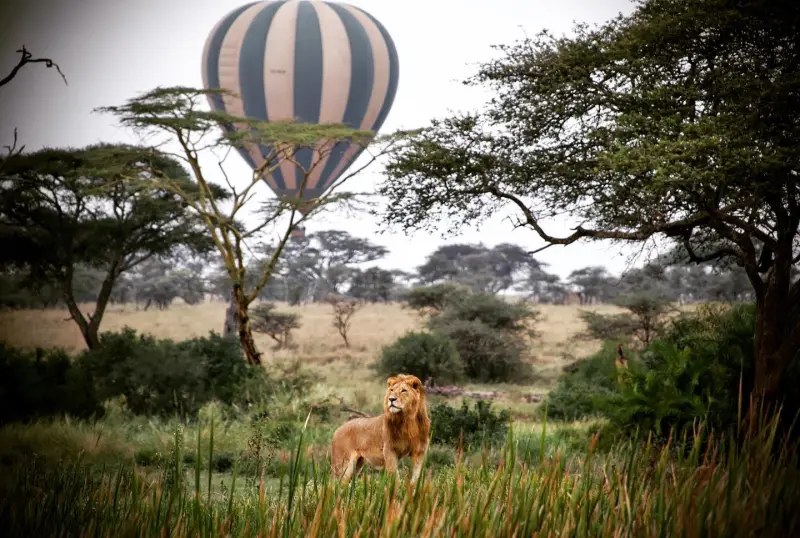
Serengeti National Park is Tanzania’s most celebrated safari destination, covering about 14,750 sq. km of vast savannahs, woodlands, and river valleys. It is globally recognized for its dramatic landscapes and immense wildlife populations. The park is also a UNESCO World Heritage Site, showcasing Africa’s wilderness at its finest.

Wildlife in the Serengeti is abundant, with over 70 large mammal species and 500 bird species recorded. Lions, cheetahs, elephants, giraffes, and countless antelopes thrive here, while the Great Wildebeest Migration remains the park’s most spectacular event, as millions of wildebeest, zebras, and gazelles move in search of fresh grazing.

The main highlight is undoubtedly the migration, best seen between June and October for river crossings in the north, and December to March for calving season in the southern plains. Although the migration is seasonal, Serengeti remains excellent for game viewing throughout the year.

What to see

NGORONGORO CONSERVATION AREA

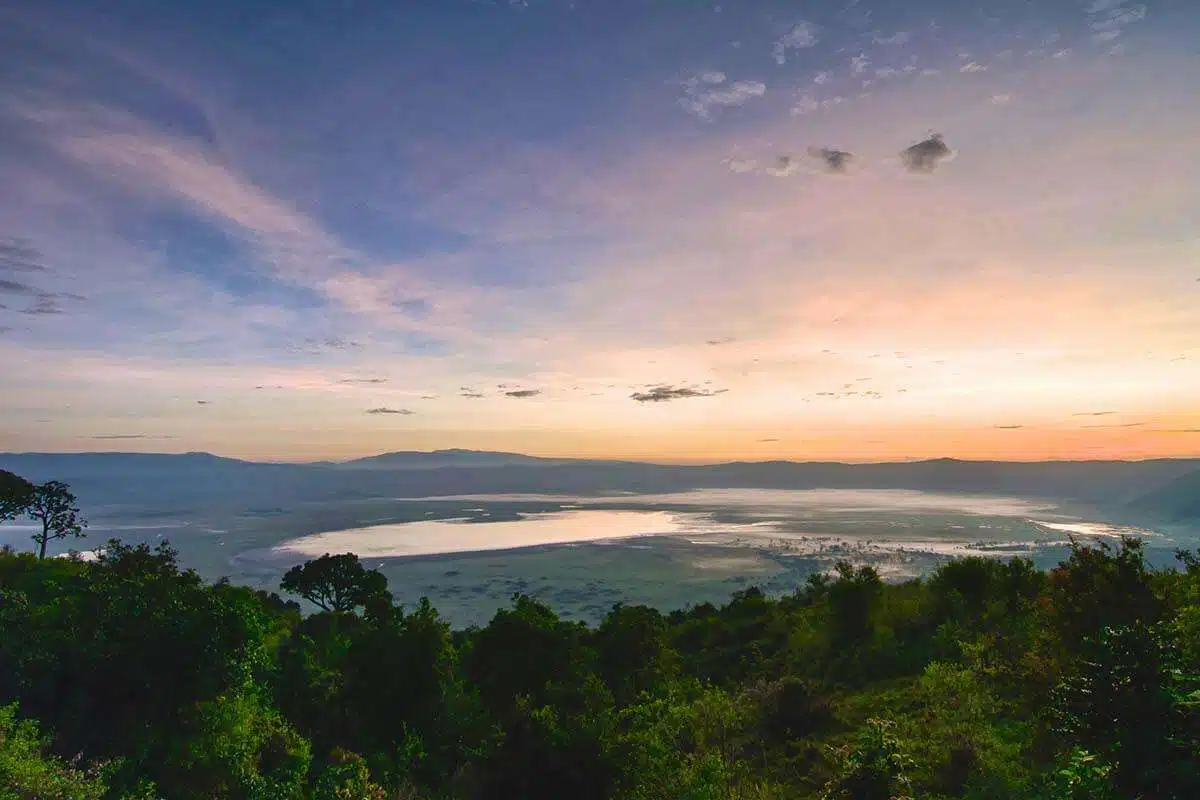
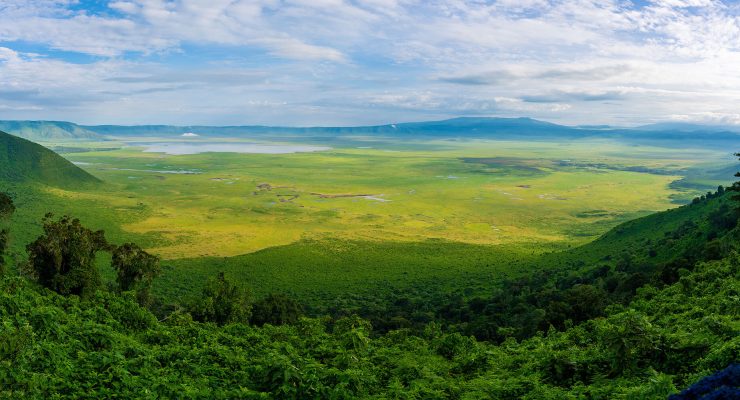
The Ngorongoro Crater is a natural wonder, spanning 260 sq. km and forming the world’s largest intact volcanic caldera. Its fertile floor, surrounded by steep crater walls, provides a natural enclosure that supports a remarkable density of wildlife. This UNESCO World Heritage Site is often called the “Eighth Wonder of the World.”

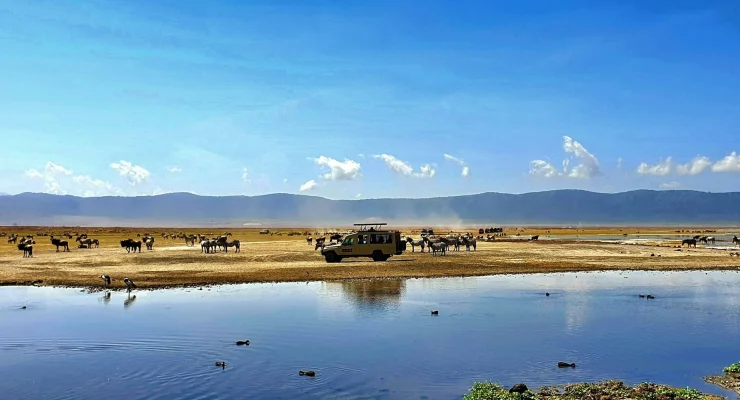
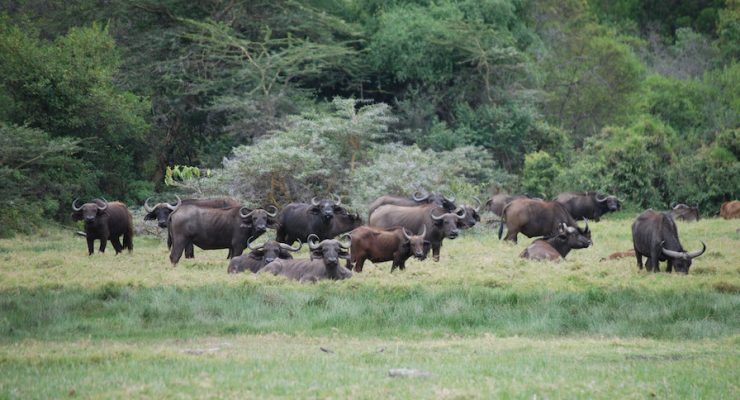
Attractions include the Big Five—lions, elephants, leopards, buffalo, and the endangered black rhino—along with wildebeest, zebras, hippos, and over 400 bird species. The Lerai Forest, Lake Magadi, and open grasslands create diverse habitats for wildlife viewing.

The crater’s main draw is its unmatched concentration of animals in such a compact area, allowing for incredible game drives. Thanks to permanent water sources, wildlife viewing is excellent year-round, making the Ngorongoro Crater one of Tanzania’s most reliable safari destinations.

What to see

TARANGIRE NATIONAL PARK

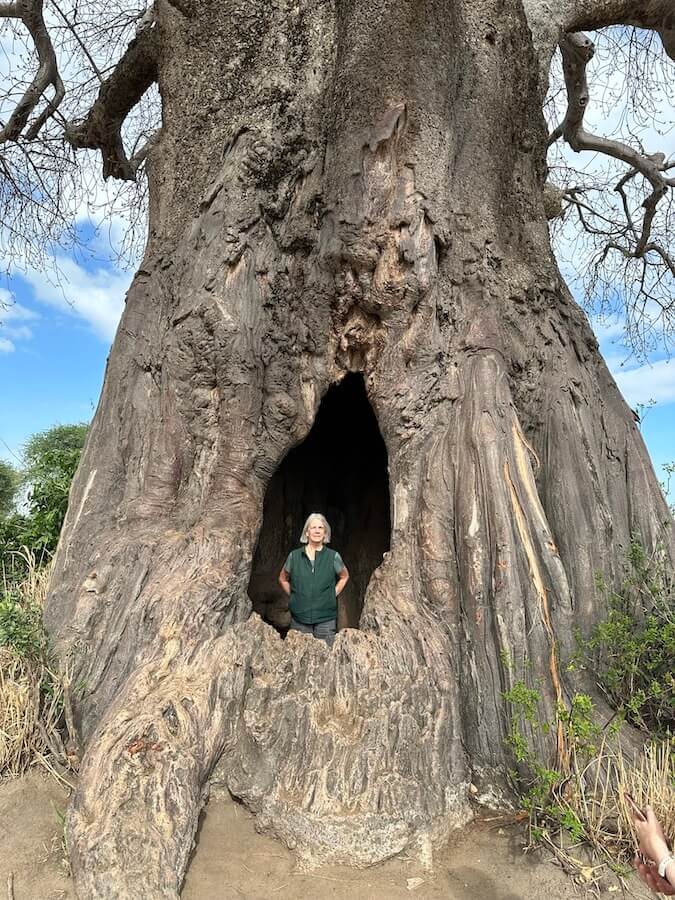
Tarangire National Park spans about 2,850 sq. km and is named after the Tarangire River, the park’s lifeline. Its landscape is characterized by rolling savannahs dotted with giant baobab trees and acacia woodlands. It is less crowded than Serengeti or Ngorongoro, offering a more peaceful safari experience.

Attractions include large elephant herds, migratory wildebeest, zebras, giraffes, and predators such as lions and leopards. Birdlife is prolific, with more than 500 species recorded. During the dry season, wildlife from surrounding areas gathers around the river, creating spectacular game viewing opportunities.

The park’s main highlight is the sight of huge elephant herds moving through the baobab-studded plains. The best time to visit Tarangire is between June and October, when the dry season forces animals to concentrate near the river, ensuring unforgettable sightings.

What to see

LAKE MANYARA NATIONAL PARK

Lake Manyara National Park, covering 330 sq. km, is small yet remarkably diverse. Nestled at the base of the Great Rift Valley escarpment, it offers a scenic mix of lush forests, open floodplains, and the shallow alkaline Lake Manyara itself. Its compact size makes it ideal for a half-day or full-day safari.

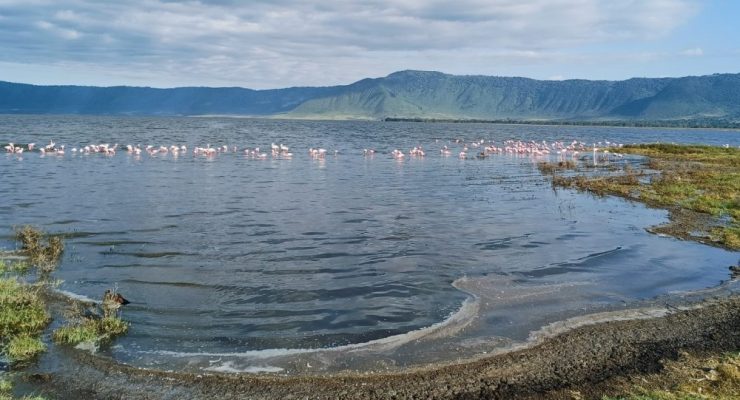
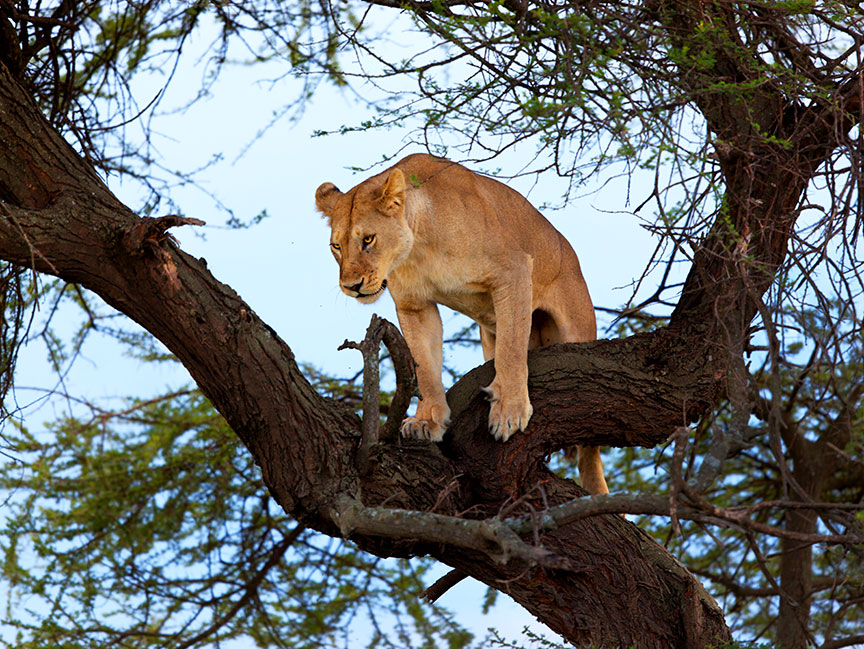
The park is home to unique attractions such as tree-climbing lions, large troops of baboons, elephants, and seasonal flocks of pink flamingos. With over 400 bird species, including pelicans and storks, it is a paradise for birdwatchers. The groundwater forest and hot springs add to its charm.

The main highlight is the combination of birdlife and the famous tree-climbing lions, rarely seen elsewhere. The best time to visit is from November to July when wildlife is most active, though birding is especially rewarding during the wet season.

What to see

ARUSHA NATIONAL PARK

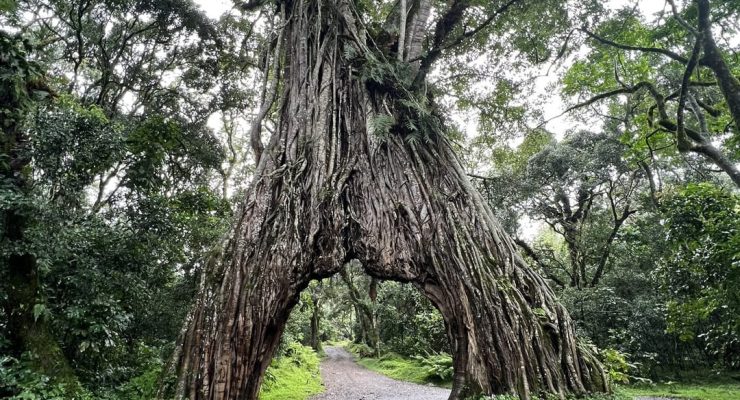
Arusha National Park is one of Tanzania’s smaller reserves at 137 sq. km, yet it offers an incredible variety of landscapes, from the volcanic Ngurdoto Crater and the Momela Lakes to the slopes of Mount Meru. Located just 37 km from Arusha town, it is a perfect destination for day trips.

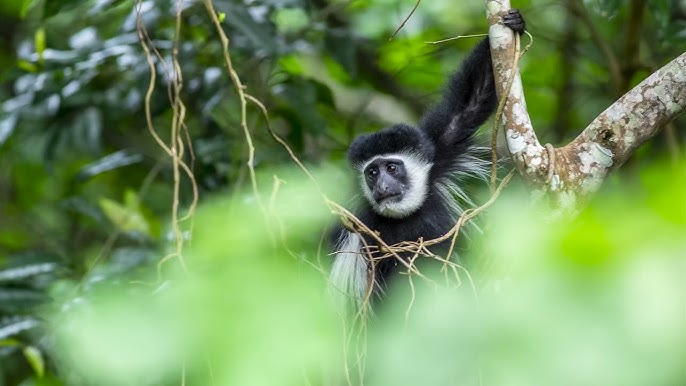
The park’s attractions include black-and-white colobus monkeys, giraffes, zebras, and abundant birdlife, with over 400 recorded species. The Momela Lakes attract flamingos and waterfowl, while the highland forests are home to colobus and blue monkeys. Mount Meru, Tanzania’s second-highest peak, adds to the scenic beauty.

Its main highlight is the opportunity to combine game drives with walking safaris, offering a closer look at nature. Arusha National Park is a year-round destination, with clear views of Mount Kilimanjaro possible on cloudless days, making it a rewarding stop on the northern safari circuit.

What to see